The case for drones in agriculture is no longer hypothetical. It is a documented set of efficiencies that compound across the season.
Input efficiency
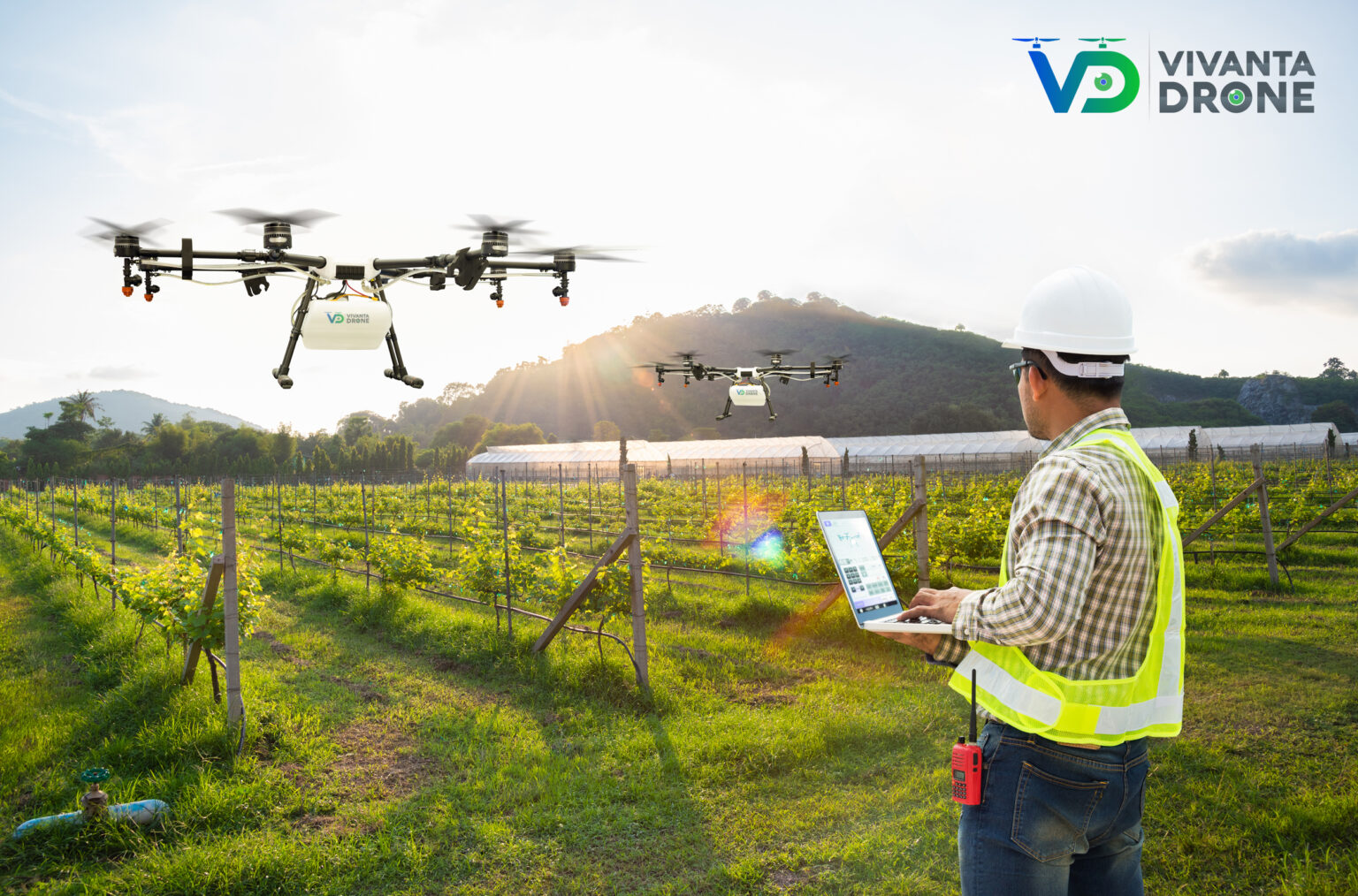
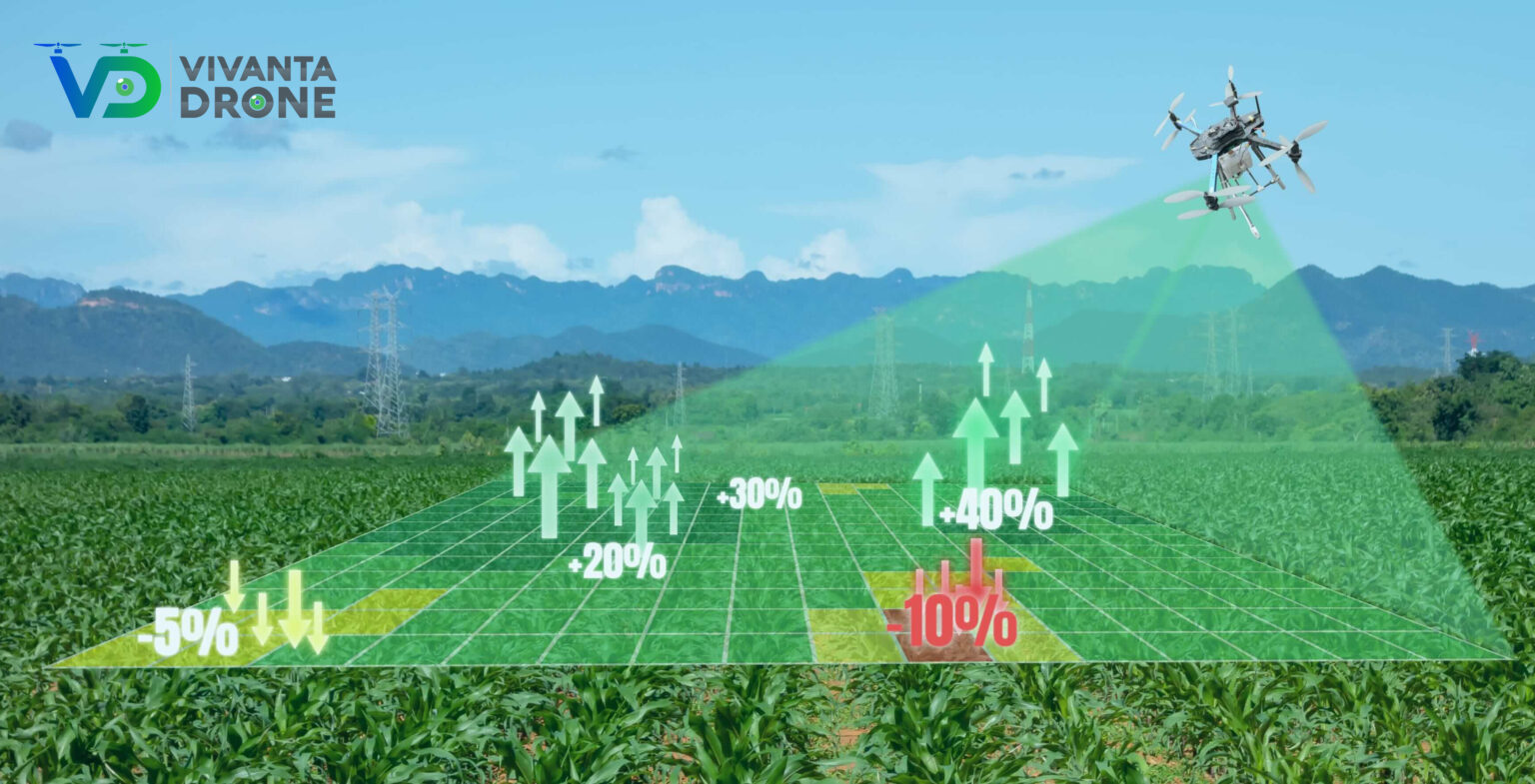
Variable-rate spraying — applying chemistry only where the canopy needs it — has been our most consistently quoted return on investment. We see 25–40% reductions in chemical use without sacrificing coverage.
Labour and safety
Workers spend less time inside spray zones, and less time walking fields in hazardous conditions. The drone becomes both an instrument and a safety perimeter.
Insurance and traceability
Every flight is logged. Every application is geotagged. When auditors, insurers or off-takers ask for proof of practice, the dataset is already on file.
The future of the field is aerial
We expect the conversation will shift from "should we use drones" to "which missions still don't use them" within a few seasons. The technology is mature; the operating playbook is what we obsess over.
“The aircraft is just the tool. The mission is the truth it brings home.”